The most accurate AI detector in the world
![[object Object]](/_next/image?url=%2Fimg--target-tools-1.jpg&w=3840&q=85)
![[object Object]](/_next/image?url=%2Fimg--target-tools-2.jpg&w=3840&q=85)
![[object Object]](/_next/image?url=%2Fimg--target-tools-3.jpg&w=3840&q=85)
![[object Object]](/_next/image?url=%2Fimg--target-tools-4.jpg&w=3840&q=85)
The most accurate AI detector in the world
Schools experiment with a mix of tools. Some rely on built-in detectors in platforms like Turnitin or learning management systems, others use standalone services such as GPTZero or similar tools. In many cases there isn't a single mandated product — different departments or teachers may use different solutions.
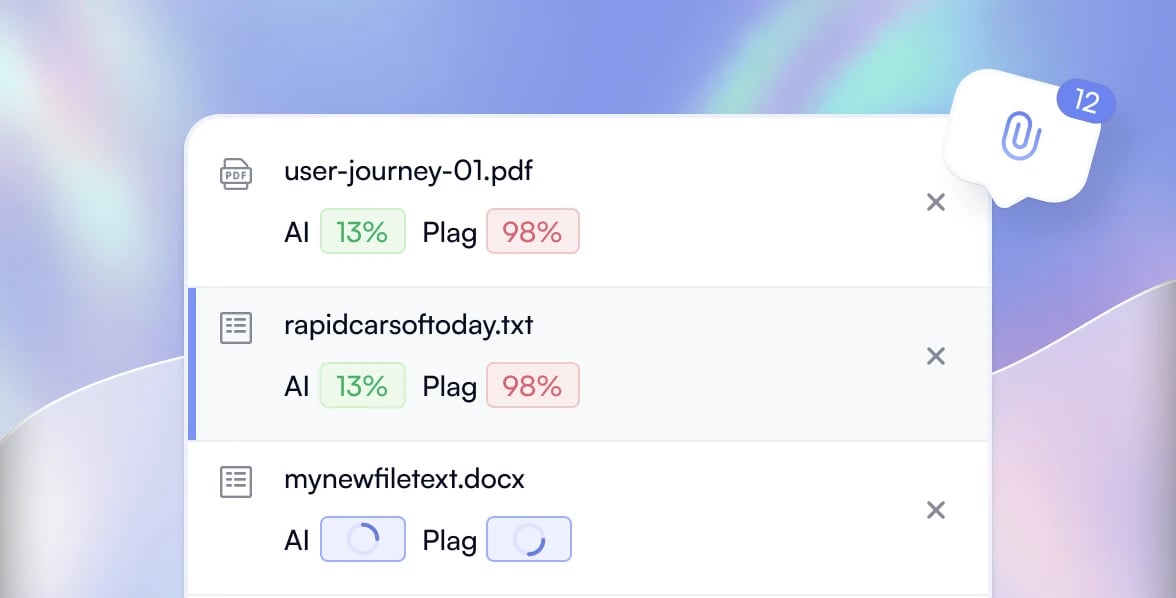
It's AI is designed as an AI detector for teachers that combines benchmarked accuracy with practical features: batch document processing, detailed highlighting of AI-like passages and a low false-positive rate on student essays. That makes it a realistic choice when you want to introduce AI detection without overwhelming staff or students.
When teachers talk about an "AI checker", they usually mean a tool that can score or flag text as likely human-written or AI-generated. Some schools give staff access to institutional tools; others leave teachers to test public detectors on their own.
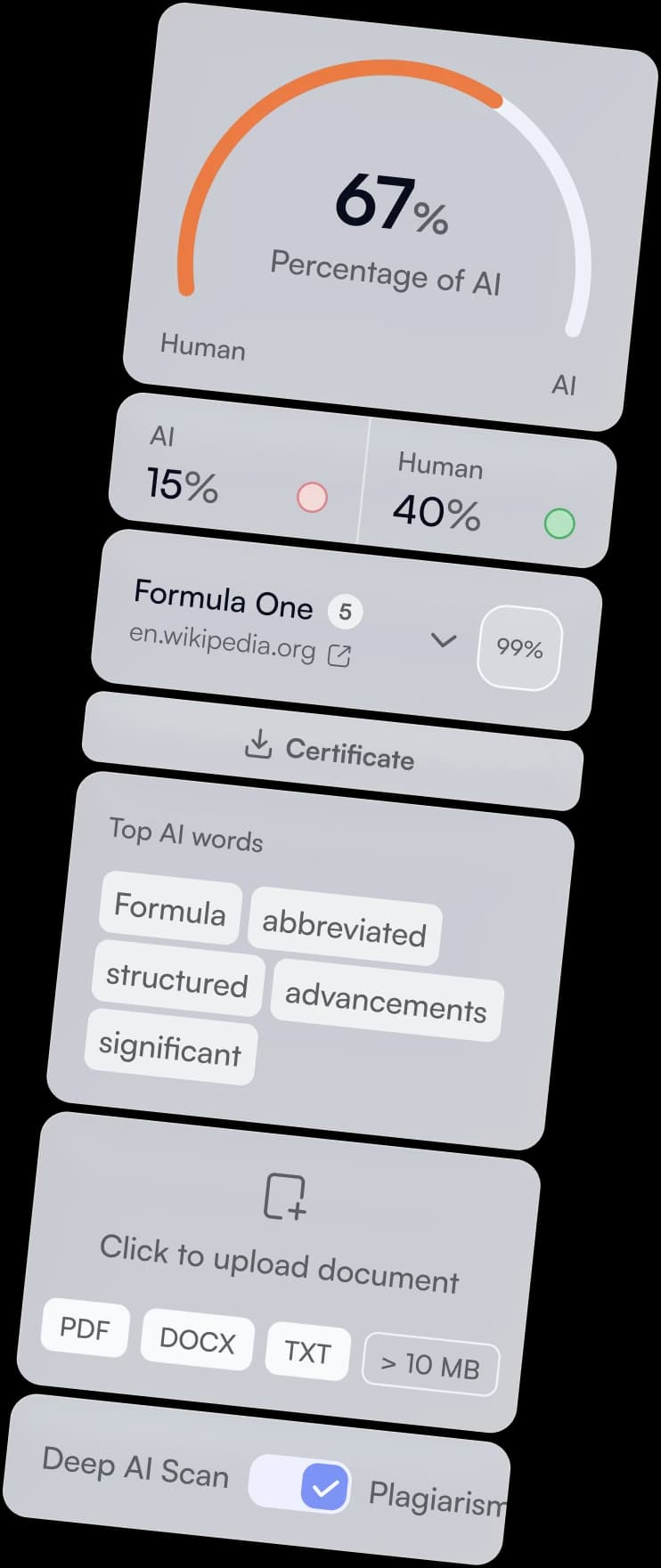
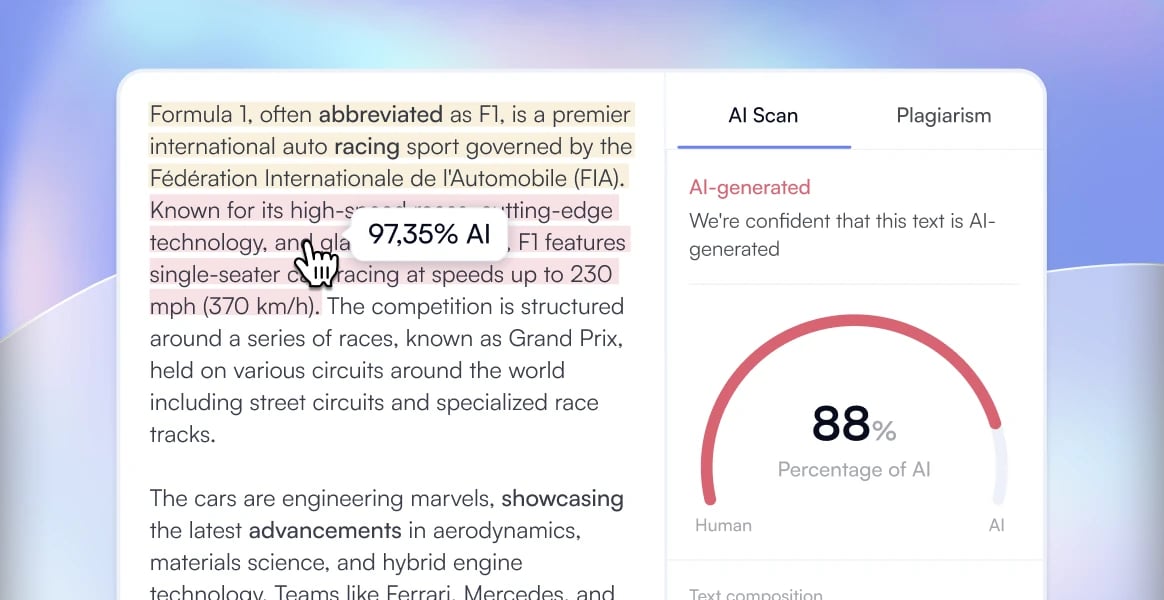
It's AI aims to be a straightforward AI checker for teachers: upload assignments, run a scan and get a clear breakdown of which parts look like they were written by an AI model. Because the same engine powers our student-facing and enterprise products, educators and learners can see similar results, which makes conversations about AI use easier.
In practice teachers combine three layers:
This combination is more reliable than relying on automation alone. Tools like It's AI are designed to support this workflow by giving clear, explainable output instead of a single opaque score.
No detector can say which exact model was used, but well-trained systems can estimate whether a passage is likely machine-generated. Many teachers now use AI detectors specifically to look for ChatGPT-style writing in essays and take-home exams.
It's AI is trained on outputs from several large language models and evaluated on benchmarks such as MGTD, RAID and GRiD. That lets it recognise typical patterns of AI-generated text while keeping the false-positive rate on human writing low, which is important when the result may affect a student's grade or academic record.
At the school or district level, administrators look for a school AI detector that integrates with existing platforms, supports batch uploads and fits legal and privacy requirements. These institutional tools are often connected to LMS systems like Moodle or Google Classroom and may include centralised reporting.
Individual teachers, on the other hand, may prefer lighter-weight tools they can open in a browser, use for a small set of essays and then discuss results directly with students. It's AI is built to support both scenarios: teachers can use it as a standalone detector, while IT teams can integrate it into school-wide workflows.
Many institutions still depend on classic plagiarism systems that compare assignments against large databases of academic work. These tools work well for direct copy-paste but can miss AI-assisted paraphrasing.
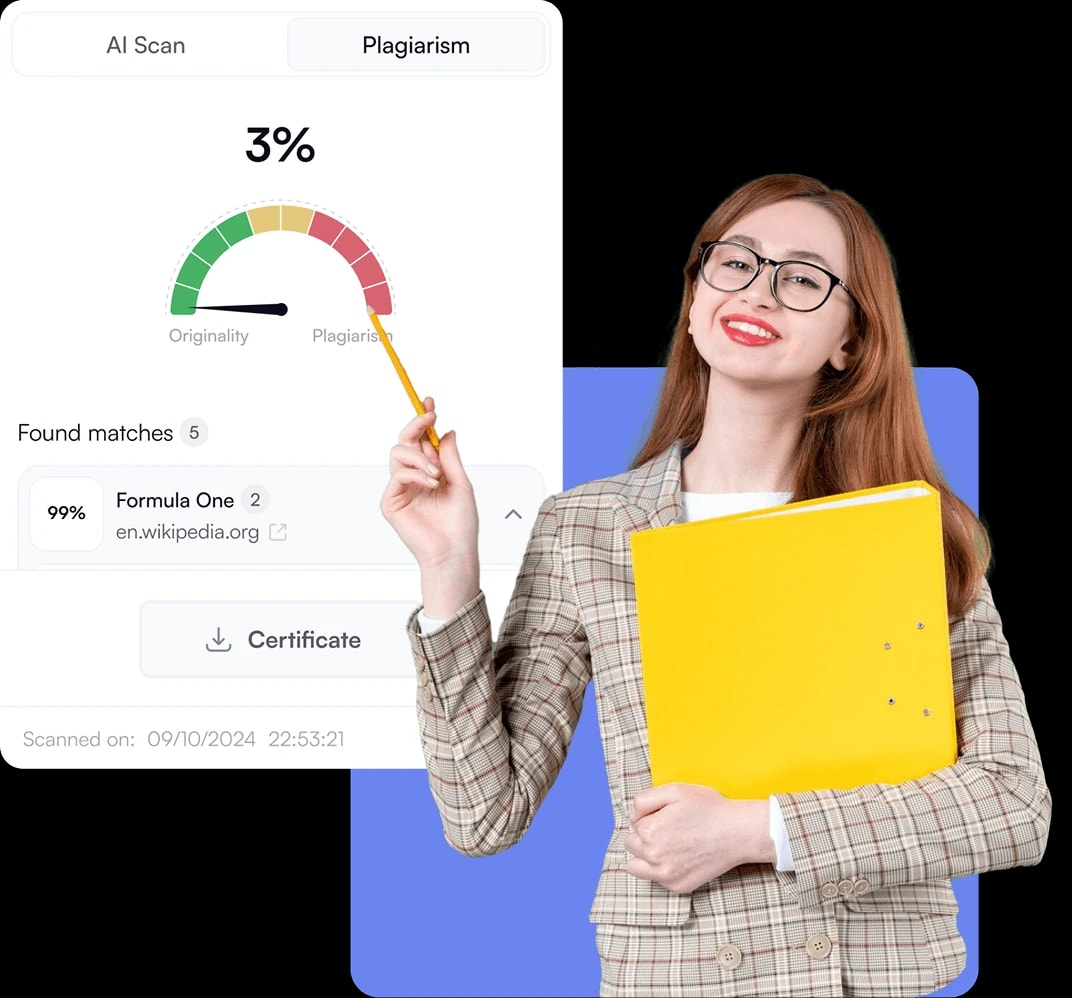
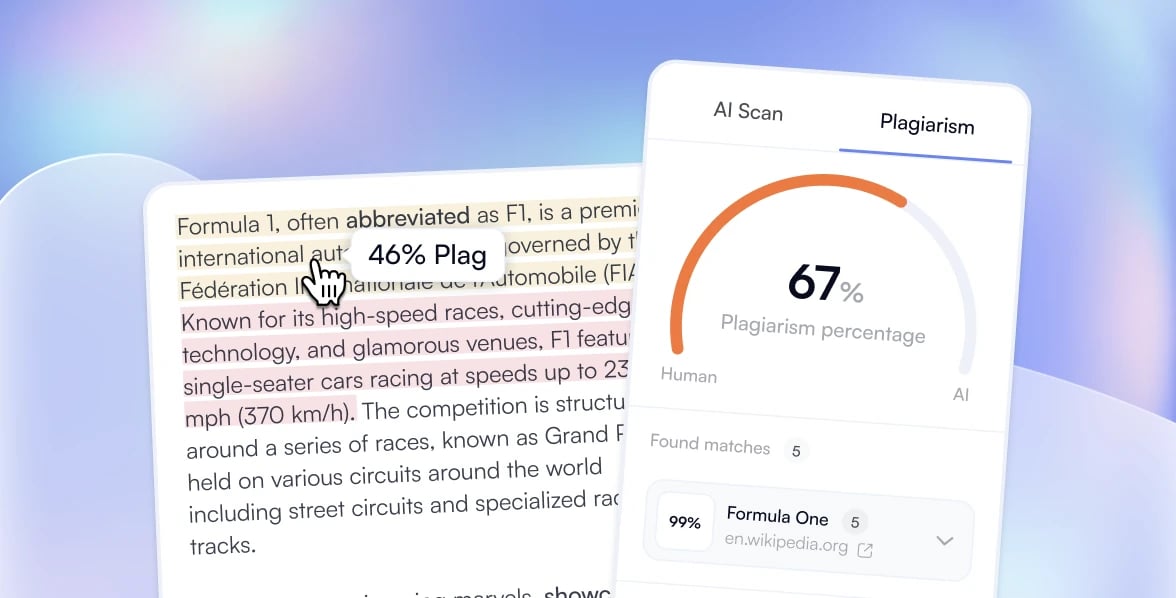
It's AI combines an AI detection engine with a plagiarism checker for teachers in one interface. The same scan can highlight text that looks AI-generated and show matches with online sources, so educators can see whether a student simply copied, relied heavily on AI rewriting, or wrote the passage themselves but forgot to cite a source.
Best practice is to treat plagiarism and AI use as related but distinct issues:
With It's AI, teachers can run both checks on the same document and then decide what matters most in context. A student might paraphrase a source too closely without AI, or use AI responsibly but still cite sources correctly; having both views helps educators respond proportionally.
Yes. Even advanced detectors can misclassify text, especially when it is very short, written in a highly formal style, or heavily edited from an original AI draft. False positives — human work marked as AI-generated — are the main risk in education.
For that reason It's AI is tuned to minimise false positives on student essays and is benchmarked on datasets such as ASAP 2.0, GRiD and HC3. Still, we recommend treating AI detection as a signal that prompts closer review, not as automatic proof of misconduct. A conversation with the student and a look at drafts are essential before taking any formal action.
Transparency matters more than the specific tool you choose. Good practice is to:
Framing the tool as a way to support academic integrity for everyone — including students who do their own work — helps keep trust while still addressing misuse of AI.
It's AI was built with educators in mind:
Together, these points make It's AI a practical choice for teachers who want to protect academic integrity while staying fair to their students.