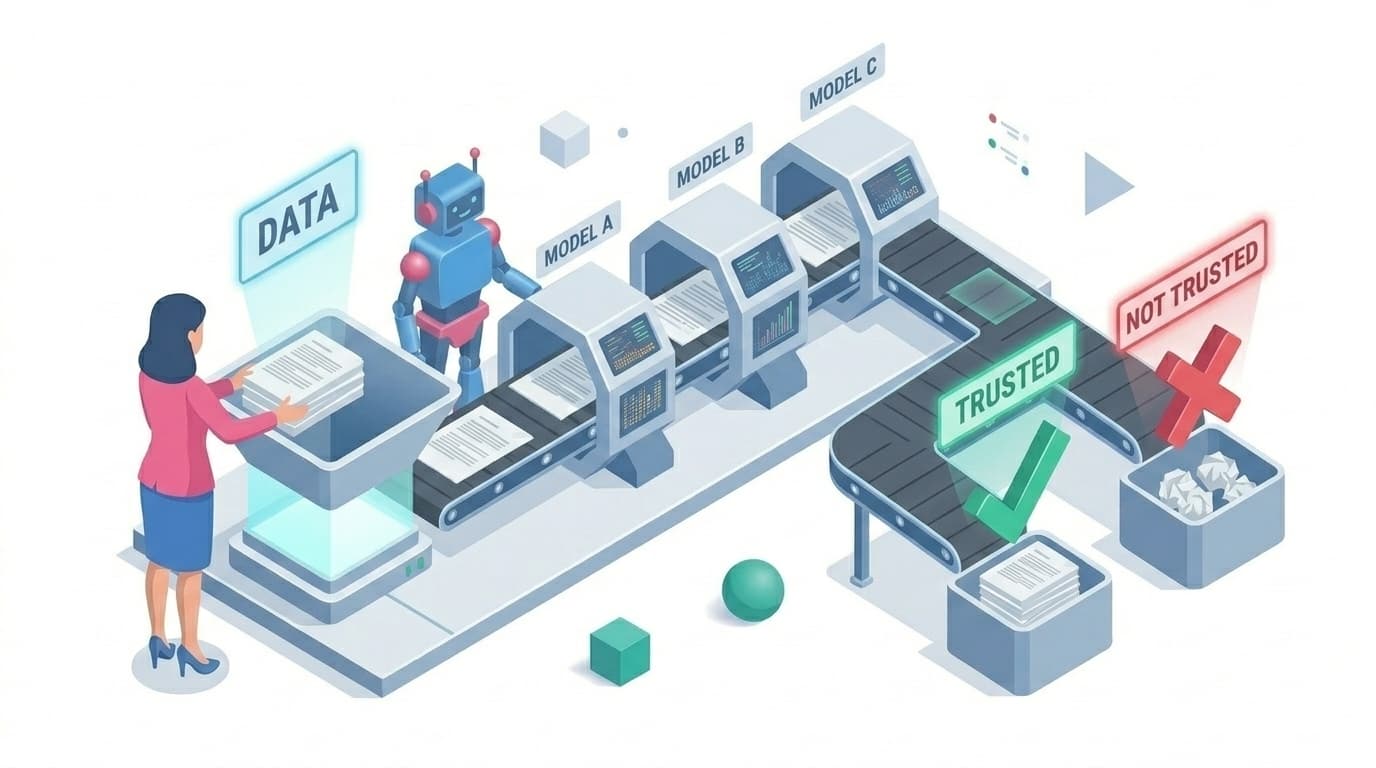
We rigorously tested the top tools to find the answer. This article reveals which detector proved to be the most accurate and reliable across multiple challenges.
Nowadays we live in the age of artificial intelligence (AI) making our life easier and more spectacular. Tech-engaged people have created a huge number of AI-tools for automating text writing, creating pictures, presentations, video avatars, computer code and much more. Even web browsers have faced challenges as it has become more convenient to search for information in DeepSeek, Perplexity or OpenAI.
The ability to generate answers to questions in seconds has scaled so much that over time, sophisticated AI systems have begun to answer in ways that are almost impossible to distinguish from human beings with the naked eye.
On the one hand, it really leads to efficiency and help in problem solving especially with your personal AI agents, when you don't want to waste time on typical boring daily tasks and you entrust them to AI. On the other hand, it seems that while one group of people is creating and using these tools correctly, others are getting lazy, stop thinking for themselves and delegate even basic iterations to AI, which leads to degradation and seriously affects business. The quality of goods or services and reputation of the company can suffer from inadequate use of AI tools.
Widespread use in education, filling out applications, doing business tasks that involve using critical intelligence questions people's actual skills, knowledge and abilities. Even in public discourse we need to be able to distinguish fact from fiction.
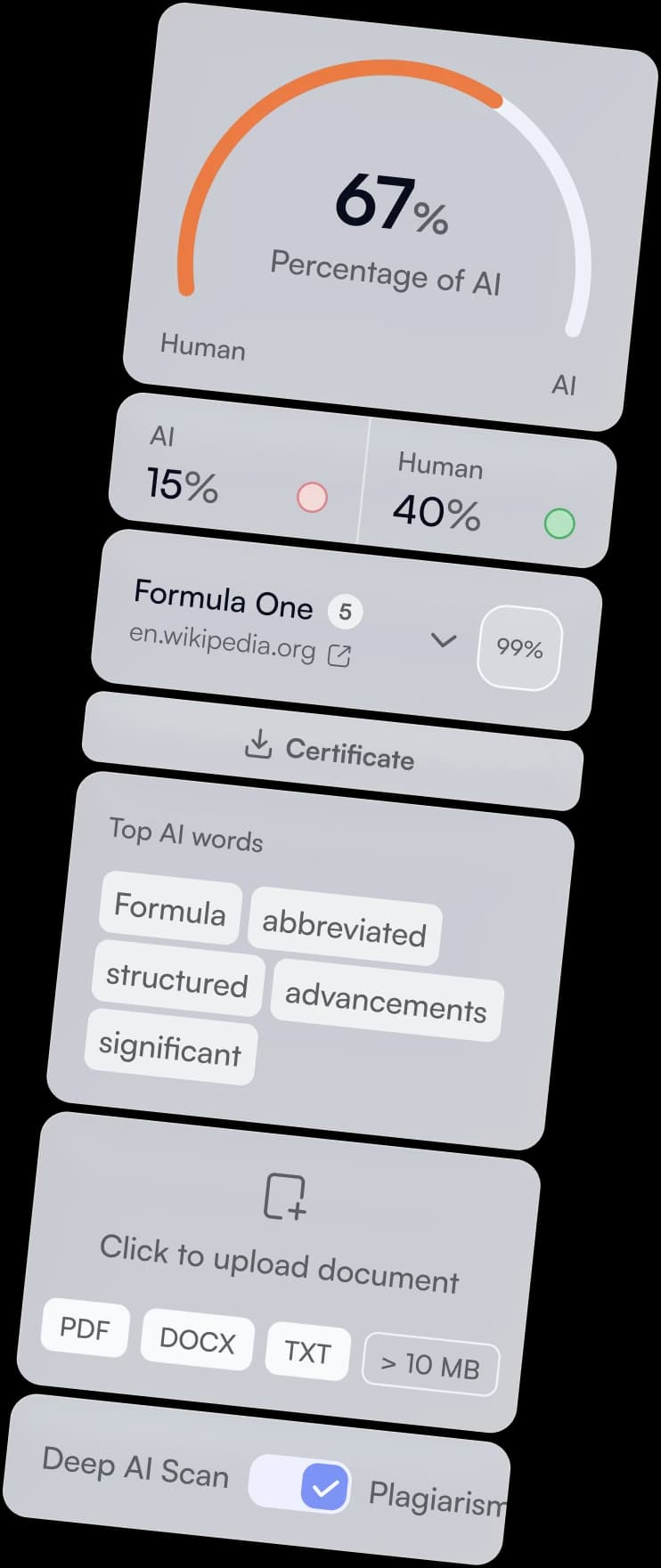
This justified the emergence of AI-detectors solutions. Some of them claim to guarantee up to 99% accuracy, but in real-life these tools frequently fall short and sometimes can't recognize regular gpt text. Even OpenAI, a leader in AI development, launched in 2023 its own AI Classifier and later officially retired due to its low rate and accuracy (it could correctly identify only 26% of AI-written text). The company admitted that the tool was unreliable and produced too many errors. This significant gap between marketing claims and actual performance is a primary reason for skepticism.
Although nowadays there are several really working properly tools, there is still a crucial question — can we fully trust the AI-programs that claim to identify such AI generated text? While there are many doubts on this issue we have conducted research to clear it up. This article explores evaluating the accuracy and reliability of AI detection tools in identifying AI-generated text.